

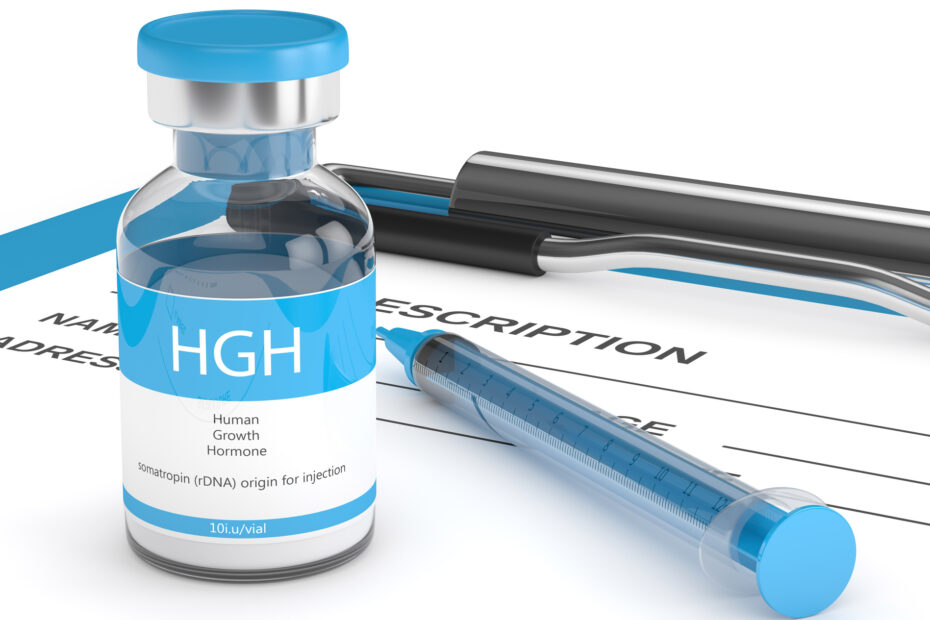
The use of growth hormone (somatotropin) in sports is primarily aimed at improving body composition and accelerating recovery from injuries. Despite its high popularity in bodybuilding, the drug is officially banned in most professional sports disciplines and is classified as doping.
Key Effects in Sports
- Fat Burning: Somatotropin actively breaks down subcutaneous fat, using it as an energy source.
- Anabolic Action: It enhances protein synthesis and inhibits protein breakdown, which promotes muscle mass growth.
- Strengthening Ligaments and Joints: Growth hormone stimulates collagen synthesis, helping to treat injuries and strengthen bone tissue.
- Muscle Definition: Often used by athletes to achieve a “ripped” look with minimal body fat.
Features and Limitations
- Effectiveness in Strength Sports: In powerlifting, its use is considered less effective because it does not directly lead to significant increases in raw strength.
- Dosages: For athletic purposes, doses of 10 to 30 IU are used, which is significantly higher than medical therapeutic norms.
- Interaction: The effects of somatotropin are often enhanced when combined with testosterone or anabolic steroids.
Side Effects and Risks
Uncontrolled use can lead to serious health problems:
- Hypertension (high blood pressure).
- Hyperglycemia (risk of developing diabetes).
- Carpal Tunnel Syndrome (pain in the wrists).
- Abnormal growth of bones and internal organs.In sports practice, growth hormone (GH) protocols vary depending on the athlete’s goals. Below is the English translation, noting that GH usage carries risks.Growth Hormone Protocols and Usage1. General Approach by Objective:
- For Recovery and Injury Prevention: Lower daily amounts are sometimes used to aid in strengthening connective tissues and improving sleep quality [1, 2].
- For Fat Loss and Definition: Moderate daily amounts are often utilized to enhance lipid metabolism and support body composition changes [1, 3].
- For Hypertrophy (Muscle Gain): Higher daily amounts are sometimes used, often in combination with other agents, which may increase the likelihood of side effects [2, 4].
2. Cycle Duration (Course Length):- Long-term usage is generally required. To observe significant changes in body composition, GH is frequently utilized for periods spanning 3 to 6 months [2, 5].
- The effects are generally considered cumulative, with changes in body composition becoming more apparent over several months [3, 5].
3. Administration Methods:- Frequency: Daily administration is common. Some protocols use a “5 days on / 2 days off” schedule to manage potential side effects and costs [1, 2].
- Timing:
- Morning: Often chosen to coincide with natural metabolic activity [3].
- Post-Workout: Frequently utilized to support recovery [1].
- Split Doses: When using higher amounts, the total daily amount is often divided into multiple injections to minimize side effects, such as insulin resistance or carpal tunnel syndrome [1, 4].
4. Injection Technique:- GH is typically administered via subcutaneous injection (usually into the abdominal fat) using a fine-gauge needle [2, 3].
Summary Table for Sports UsageGoal Common Considerations General Duration Recovery / Anti-aging Lower daily amounts 4 – 6 months Fat Loss / Cutting Moderate daily amounts 3 – 5 months Muscle Growth (Mass) Higher daily amounts 4 – 6 months Warning: Using high amounts of growth hormone can significantly increase the risk of side effects, including diabetes, organ enlargement, and joint issues [2, 4, 6]. Regular monitoring of blood glucose and other markers is necessary [4, 6].Disclaimer: This information is for general knowledge and should not be taken as medical advice. Consult with a qualified healthcare professional regarding any supplement or hormone usage [1, 2].