HGH in sports
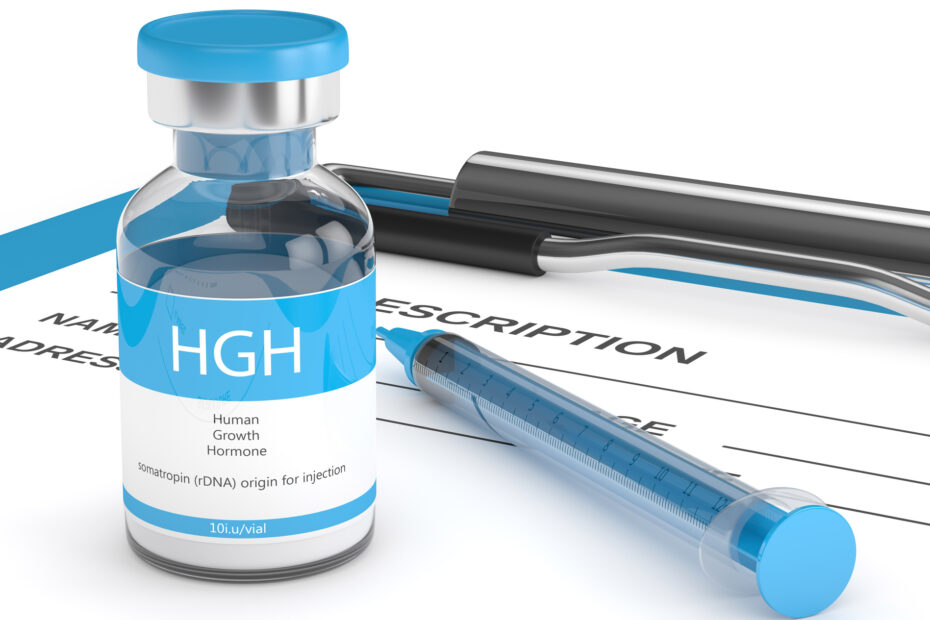
The use of growth hormone (somatotropin) in sports is primarily aimed at improving body composition and accelerating recovery from injuries. Despite its high popularity in bodybuilding, the drug is officially banned in most professional sports disciplines and is classified as doping.
Key Effects in Sports
Fat Burning: Somatotropin actively breaks down subcutaneous fat, using it as an energy source.
Anabolic Action: It enhances protein synthesis and inhibits protein breakdown, which promotes muscle mass growth.
Strengthening Ligaments and Joints: Growth hormone stimulates collagen synthesis, helping to treat injuries and strengthen bone tissue.
Muscle Definition: Often used by athletes to achieve a “ripped” look with minimal body fat.
Features and Limitations
Effectiveness in Strength Sports: In powerlifting, its use is considered less effective because it does not directly lead to significant increases in raw strength.
Dosages: For athletic purposes, doses of 10 to 30 IU are used, which is significantly higher than medical therapeutic norms.
Interaction: The effects of somatotropin are often enhanced when combined with testosterone or anabolic steroids.
Side Effects and Risks
Uncontrolled use can lead to serious health problems:
Hypertension (high blood pressure).
Hyperglycemia (risk of developing diabetes).
Carpal Tunnel Syndrome (pain in the wrists).
Abnormal growth of bones and internal organs.